


Quarterly cleanup cycles look tidy on paper. In practice, automated license reclamation works best when it’s always on, policy driven, and reversible. I’ve seen the “big purge” create noise, angry pings, and last minute rollbacks. A steady trickle of small, safe downgrades beats a quarterly fire drill every single time.
If you want fewer idle seats and fewer surprises, put the signals and the decisions in one place. Use last login as your north star, give people a fair grace window, and default to downgrade before revoke. Then write every step to a Jira ticket so approvals, exceptions, and evidence live together. It’s simple to describe, and it saves real money without breaking work.
Key Takeaways:
- Always-on detection with grace windows prevents surprise outages and rework
- Default to downgrade first, reserve full revokes for long idle or policy
- Make it predictable: notify users, CC managers, track appeals in Jira
- Tie every change to a Jira issue so audit evidence is one click away
- Tune for personas and tiers, not one-size-fits-all thresholds
- Pilot with a small cohort, set rollback triggers, then scale
- Measure three things: idle seat waste, appeal rate, and rollback count
The Hidden Cost Of Quarterly Cleanups Versus Continuous Automated License Reclamation
Quarterly cleanups look decisive, but continuous automated license reclamation cuts waste with fewer side effects. A purge creates outages, spikes tickets, and erodes trust. Continuous reclamation relies on clear thresholds, grace windows, and downgrade-first steps so changes are predictable, visible, and easy to reverse when needed.

Why hard revokes backfire
Hard revokes feel tough, but they land like a trap door. People lose access mid task. Managers find out after work stops. Appeals flood the queue because the change felt arbitrary. You lose hours to emergency restores, which means the “savings” evaporate. I’ve watched teams overbuy licenses the next month to avoid the stress. That’s the hidden cost.
When revokes are final, agents move slower and second guess. Risk climbs, not falls. The fix is policy, not heroics. Make the decision path obvious, and soften the first action.
What continuous looks like in practice
You monitor identity provider last login, queue candidates the moment a threshold hits, and notify the user with a clear deadline. If nothing changes during grace, you downgrade first. If a login happens, cancel automatically. Every event writes to a Jira issue that includes who, what, when, and why. Approvals and exceptions happen in Slack or JSM, not in side channels.
Want a deeper view on why small, continuous changes cut waste and rework? The framing from BetterCloud on automated reclamation is useful context.
The outcome we are aiming for
Fewer idle seats. Fewer angry pings. A clean audit trail. Finance gets predictable numbers because reclaimed seats and rollbacks are tracked in one system. Managers know what’s coming, and employees have a fair path to appeal. The org saves money without breaking flow. That’s the bar.
Rethink The Signal Chain For Automated License Reclamation
Trust the signals you already control. Start with identity provider last login, MFA activity, and group membership. Normalize across Okta, Entra ID, or Google Workspace. Map license assignments to entitlement rules so over granting is visible. When signals and policy agree, action is fast and accurate.

What signals should you trust?
Last login is the anchor. It is objective, auditable, and already present in most identity stacks. MFA activity and recent password resets help confirm the account is truly idle, not just quiet in one app. Group membership tells you exactly which levers to pull. Keep the source consistent across reviews and reclamation so auditors see one version of truth. For more structured approaches, the Nexthink usage guide outlines useful patterns.
Define personas and tiers that drive policy
Usage patterns differ by role. Executives might log in less, engineers more. Contractors may warrant shorter windows. Set thresholds by persona and app tier. Write exclusions for critical groups. Keep it short and public so IT, security, and finance align before automation runs. That alignment slashes debate later.
The Real Cost Model: Time, Spend, And False Positives In Automated License Reclamation
Quantify three things before you flip the switch. Idle seat waste by app and tier. Appeal workload and how long it takes to resolve. Audit effort when evidence lives outside tickets. When you track these, you’ll spot policy gaps fast and avoid backlash.
Quantify idle seat waste before renewal
Start simple. Let’s pretend you run 500 seats of a design tool. Eighteen percent have not logged in for 45 days. At 30 dollars per seat, that’s roughly 2,700 dollars per month wasted. Multiply across mid tier apps and the cost compounds. Continuous reclamation chips away daily, so you never walk into a renewal blind. For more angles on savings, skim BetterCloud’s ROI context.
Model appeal workload and interruption costs
Every reclaim creates a decision. If your window is too short, appeal rates jump and agents burn time restoring access. Track appeals per 100 candidates and average resolution time. Then tune thresholds until false positives drop. Cheap to reverse downgrades keep interruption costs low when you get it wrong.
Track the audit burden without linked tickets
When changes don’t create tickets, evidence gets lost. Quarter end becomes a scramble for screenshots and chat logs. Reviewers rubber stamp to keep moving, which raises risk. Tie each action to a Jira issue with the approver, the group change, and the timestamp. Audits move from scavenger hunt to export. If you want a second opinion on the mechanics, Flexera’s reclaim notes cover program design at scale.
What It Feels Like To Lose A Tool Suddenly
People do not care about license policy. They care about shipping work. Sudden revokes break trust and flow. Get the human side right and you’ll see fewer appeals, fewer escalations, and a smoother path to savings.
The manager surprise problem
Nothing tanks goodwill like a manager discovering a block through a direct report’s Slack. Avoid that with early notifications, a manager CC on reminders, and a simple approve or deny button. Keep the copy neutral. No shaming, no drama. When managers feel informed, they defend the program instead of fighting it.
The engineer workflow break
Engineers do not read license tiers. They notice when a pipeline stalls. A downgrade-first approach, like moving to viewer before revoke, protects read access so work does not grind to a halt. If a login happens during grace, auto cancel. Small moves like this remove friction and keep shipping on track.
The finance renewal panic
Finance hates surprises. Give them reclaimed seats by app, average time to reclaim, and rollback count. That steadies renewal talks and prevents overbuying. I’ve watched lean teams keep spend flat during headcount growth by reporting these metrics where approvals live.
Build The New Way: Policies, Notifications, And Safe Downgrades For Automated License Reclamation
The playbook is short. Clear policies by persona and tier. Notifications with a fair grace window. Downgrade before revoke. A simple appeal path. Then pilot, measure, and scale. You’ll catch real waste without punching holes in someone’s day.
Policy templates by persona and tier
Write it down. For each app tier and persona, set inactivity thresholds, grace periods, and exclusions. Include the mapped downgrade group so the first action is obvious. Example: Editors at 30 days idle with 7 day grace, Viewers at 60 days idle with 10 day grace, Executives at 90 and 14. Keep the doc in your JSM knowledge space so everyone can find it.
Two short notes. Keep exceptions rare and explicit. Review the template quarterly so thresholds track reality.
How should appeals work?
Route the initial notification to the user, CC the manager, and include a Jira link for appeal. The user can self resolve by logging in. The manager can grant an exception inline. If no response, the action fires at the end of grace. Send one reminder mid grace, then a final nudge 24 hours before action. Keep copy short and neutral to reduce defensiveness.
When you pilot, set rollback triggers. If appeal rate jumps over your threshold or you see incidents tied to downgrades, pause, restore, and adjust.
To see a vendor pattern for downgrade and revoke flows, the Flexera reclaim documentation is a solid reference.
Ready to cut idle seats without backlash? See How Multiplier Works
How Multiplier Automates Automated License Reclamation In Jira
Multiplier keeps decisions and evidence where work already happens. It uses identity signals, Slack and JSM for approvals, and identity provider groups for safe downgrades or revokes. Every step writes to a Jira ticket, so audits run on exports, not screenshots.
Jira-native audit trail with ticket-linked evidence
Multiplier records notifications, approvals, downgrades, and revokes on the originating Jira issue. Approvers act in Slack or JSM, and the change executes through the identity provider. The result is traceability without extra effort. When an auditor asks who approved what, you filter and export. That removes the spreadsheet hunt you modeled earlier.

IDP group actions and time bound access that enable safe downgrades
Multiplier maps app roles to identity provider groups, then removes users from costly groups or assigns viewer groups when available. For temporary needs, time bound access ensures the seat returns automatically at expiry. If provisioning fails, Multiplier leaves a ticket comment with the error so an agent can correct and retry.
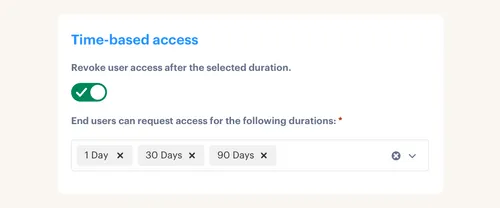
The basics align with the approach documented by others, but run inside Jira. If you want a quick contrast on reclaim mechanics, skim Flexera’s overview. For Multiplier specifics, see the Auto Reclaim overview on our docs.
What changes when teams adopt this? Fewer appeals. Cleaner audits. Lower idle seat drift. Learn More About Multiplier
From alerts to actions: scheduled runs, Slack nudges, and campaign alignment
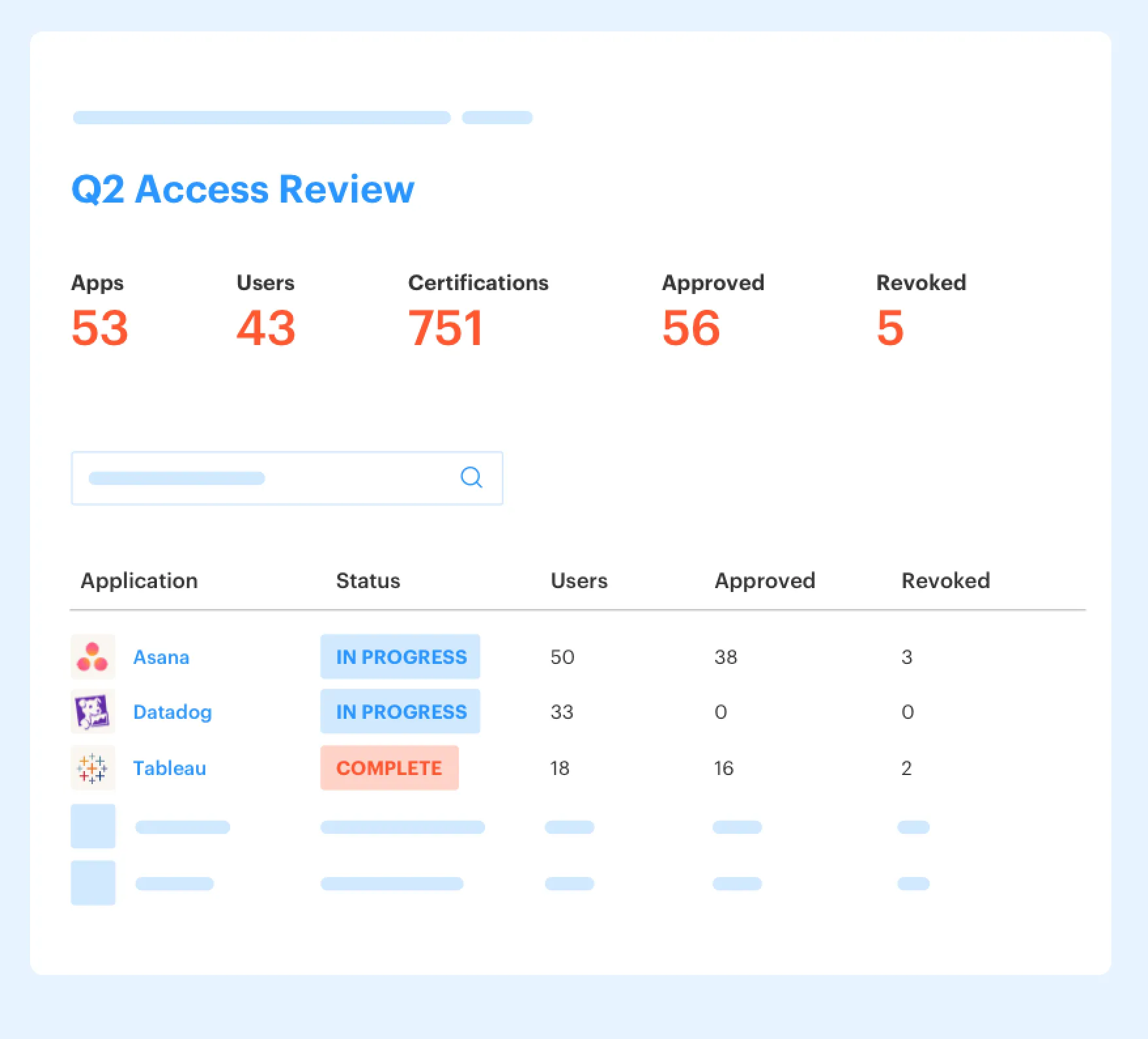
Hook signal checks to scheduled jobs so candidates are evaluated daily. Let Slack approvals keep decisions moving without email lag. Align with quarterly access reviews to avoid duplicate revokes and to anchor evidence in one place. Route approvals to app owners or managers using the same approver configuration you already use for access requests.
Conclusion
Treat reclamation like a product, not a purge. Write clear policies by persona and tier. Notify early, give a fair grace window, and downgrade before revoke. Keep managers in the loop. Then land every change on a Jira ticket so the story is complete.
Teams that run this way see steadier license spend, fewer interruptions, and audits that feel routine. If you want the mechanics handled inside Jira with identity-backed actions and Slack approvals, Multiplier is built for it. Get Started With Multiplier


