


Most teams try to cut SaaS costs in procurement. Push for a discount. Trim seats. Rinse, repeat next quarter. The bigger lever is upstream. You optimize SaaS spending through access, not spreadsheets. Design least privilege into the way people request, approve, and keep access. The savings show up without a monthly license audit.
I used to think the fix was better vendor deals. Then I watched teams chop 20% of waste by changing how access works in Jira and Slack. Faster approvals, shorter entitlements, and automatic cleanup did more than any master renewal calendar ever could.
Key Takeaways:
- You optimize SaaS spending through access governance, not just vendor discounts
- Put governance in Jira and Slack so approvals and evidence live with the work
- Map roles to identity provider groups to make provisioning fast and auditable
- Make access temporary by default to shrink standing privilege and license creep
- Reclaim unused licenses using login data, not guesswork or stale reports
- Run access reviews with usage context to stop rubber-stamping
- Automate end to end so the audit trail writes itself while spend goes down
Challenge
SaaS overspend is mostly an access problem hiding as a procurement problem. Discounts help for a quarter. Least privilege and automation reduce the baseline forever. When you move requests, approvals, provisioning, and reviews into Jira, the waste drops because wrong grants and long-lived access stop piling up.
Here is what I keep seeing. Approvals scatter across email and Slack, then someone adds the user to a group in the identity provider, and no one sets an expiry. A month later the project ends, the user keeps the seat, and finance pays for it. The worst part is the Friday scramble to chase screenshots for auditors. It is frustrating to live in that fire drill every renewal cycle.
Discounts Do Not Fix License Waste
Cutting list price does not change behavior. If access lasts forever, seats drift up. If approvals are slow, teams hoard permissions to avoid delays. You pay for that hoarding every month. The cheaper, durable fix is to change how access is granted and revoked, so the cost curve bends down on its own.
The ITSM–IGA Split Drives Cost
When requests live in Jira, decisions live in chat, provisioning lives in the identity provider, and evidence lives in spreadsheets, gaps appear. People get the wrong role. Revocations lag. Reviews become checkboxes. The split forces manual effort, and that effort fails at scale. Centralize the work where it already happens.
Teaching
Optimizing spend starts with how people get access and how it ends. The method is simple on paper. Build one path for access in Jira and Slack. Drive all changes through your identity provider. Make elevated access temporary by default. Use login data to recover idle seats. Certify access with usage in view. Do this, and the savings stick.
Tie Spend to Access Design
Procurement thinks in terms of contracts and price per unit. IT can change the number of units you actually need. If approvers see context and roles are precise, you stop granting Editor when Viewer is enough. If revocation is automatic, you stop paying for seats after the work ends.
Most teams try to solve spend with dashboards first. Start with design instead. Clean intake fields, clear roles, and decision points that reflect risk will cut waste before any reporting. Then your reports show gains that last, not just quarter-end cleanups.
Build a Sanctioned App Catalog That Guides Choices
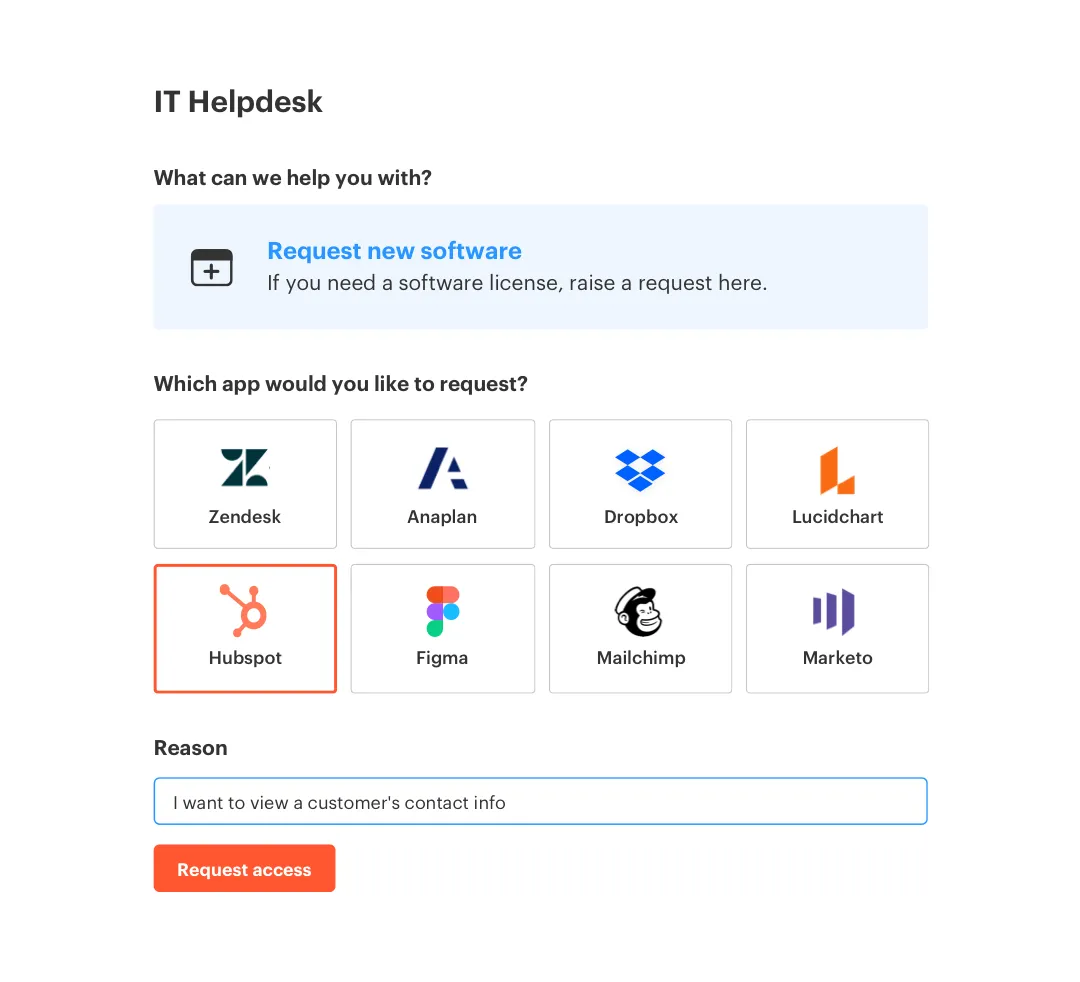
A visual catalog in your Jira Service Management portal sets guardrails. Employees pick from approved apps, then pick roles that map to identity provider groups. That single choice shrinks back-and-forth and avoids the “unknown owner” stall that leads to side-door access.
When the catalog lives in Jira and mirrors in Slack, people stop DM’ing the IT channel. They use the storefront they already know. Requests arrive with the right context, and the system routes to the right approver automatically. That is how low-friction control looks.
Approvals That Match Risk, Not Rank
Managers should approve low-risk roles fast, and app owners should review elevated ones. The more context you show in the approval, the fewer mistakes. Role requested, business reason, time window if temporary, and who else has this role today. Approvers make better calls when they see the picture.
If you want speed and safety, encode rules. Auto-approve Viewer for internal wikis. Require app owner for Admin in production tools. Tie rules to tags or departments. Keep humans in the loop where it matters, not everywhere.
Provision Through the Identity Provider
Provisioning must be authoritative and reversible. Group assignments in Okta, Entra, or Google Workspace meet both tests. When you add a user to a mapped group, SSO and SCIM handle the rest, and the change is visible and auditable.
Skip direct app admin changes unless there is no other option. Direct changes drift and are hard to unwind. Group-based changes, tied back to a Jira issue, give you one place to see why a seat exists and who approved it, especially when evaluating optimize saas spending through.
Make Access Temporary by Default
Standing privilege is the silent cost center. Admin for a quarter becomes Admin for a year. Multiply by dozens of apps. The fix is time-bound grants. If the role is sensitive, force a short window. If the work continues, renew it with a click. If not, it ends on time.
Engineers love this during incidents. They get the access fast, then it disappears without creating a new to-do for IT. Security loves it because exposure windows shrink. Finance loves it because seats stop lingering.
Reclaim Unused Licenses With Login Data
Guesswork is a bad way to cut spend. Use last login from your identity provider to find idle seats. If someone has not used a tool in 30 days, ask them to confirm need. No login after the grace period, reclaim the license. Seat count falls without a witch hunt.
Independent surveys keep showing big waste in unused SaaS seats, with many companies paying for licenses no one touches for months, which aligns with findings from reports like the Flexera 2024 Tech Spend Pulse. Do not wait for QBRs. Let policy handle it weekly.
Run Access Reviews With Usage Context
Quarterly certifications often turn into rubber stamps. Add usage data, group memberships, and job titles to the reviewer’s screen. Now a manager sees who has Editor but has not logged in 60 days. Keep or revoke becomes obvious.
When revokes execute automatically and write back to the ticket, campaigns stop being theoretical. You finish faster, remove real risk, and hand clean exports to auditors. No more screenshots taped into spreadsheets.
Close the Loop With Slack-First Actions
People live in chat. Meet them there, but keep Jira as the record. Let users request from Slack and let approvers approve there, while every action writes to the Jira issue. Decisions move fast, and evidence stays complete.
Chat-only bots without a system of record miss compliance. Jira as the anchor fixes that. Chat drives speed, Jira holds the truth. That balance is what stops context switching without losing control.
Measure What Matters, Then Tune
Track a small set of metrics that predict spend and risk:
- Median approval cycle time for low-risk roles
- Percent of elevated access with expiry set
- Licenses reclaimed per week based on inactivity
- Review campaign completion time and revoke rate This is particularly relevant for optimize saas spending through.
If cycle time is slow, tighten catalog fields or adjust approver rules. If expiries are low, change defaults to temporary. If reclaim is low, revisit thresholds. Use data to nudge behavior, not to shame teams.
Rollout Plan, From Pilot to Policy
Big-bang rollouts fail. Sequence it:
- Pilot three apps with clear owners and group mappings
- Turn on temporary access for one elevated role
- Add inactivity reclaim for two high-cost apps
- Launch a focused access review with usage data
- Expand to the next five apps once metrics improve
Each step proves value and builds trust. In a quarter, the new path becomes the normal path. That is how you get durable savings without drama.
Solution for Optimize saas spending through
You reduce spend when governance lives in Jira and changes run through your identity provider. Multiplier makes that model real. It embeds a self-service catalog in JSM, routes approvals in Slack or Jira with the right context, provisions by adding users to mapped IDP groups, sets expiries for elevated roles, and reclaims unused licenses using login data.

How Multiplier Cuts Waste and Toil Inside Jira
Multiplier’s Application Catalog centralizes requests in the JSM portal and Slack. Employees pick approved apps and roles, so intake is clean and owners are obvious. Approval Workflows send decisions to managers or app owners with one-click actions, speeding cycle time without losing control. Automated Provisioning updates groups in Okta, Entra, or Google Workspace when tickets hit Approved, then logs the outcome on the issue for audit.

Time-Based Access makes sensitive roles temporary by default. Grants start fast and end on schedule, which shrinks standing privilege and prevents licenses from lingering. Access Reviews run as Jira campaigns with usage context on screen, and when reviewers revoke, Multiplier removes users from the mapped groups and records the change. Auto Reclaim looks at last-login data to reclaim idle seats after a grace period, which cuts waste week by week instead of waiting for a quarter-end cleanup.
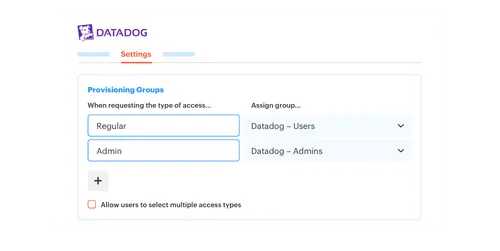
Also, the Slack App brings requests and approvals into chat while anchoring evidence in Jira. Post Functions let you chain lifecycle tasks on workflow transitions, so onboarding and offboarding stay consistent and auditable. The throughline is simple. Fewer manual steps, fewer errors, faster access, and lower baseline spend.
- Central intake with the Application Catalog reduces back-and-forth and wrong-role grants
- Group-based Automated Provisioning removes copy and paste work and creates clean evidence
- Time-Based Access ends elevated seats on time, lowering exposure and monthly cost
- Access Reviews with usage context stop rubber-stamping and execute revokes
- Auto Reclaim reclaims idle licenses using real login data, not guesses
Features That Enforce Least Privilege And Lower Spend
Here is how Multiplier maps to the method and tackles the earlier costs:
- Approval Workflows, with managers or app owners, cut approval chase time and keep decisions visible in Jira
- Automated Provisioning through identity provider groups makes changes authoritative and reversible, which auditors expect
- Time-Based Access enforces just-in-time, so Admin does not become forever Admin
- Access Reviews run in Jira with Keep or Revoke actions that actually change access, not just record opinions
- Auto Reclaim uses last-login data to reclaim seats, so you stop paying for tools no one uses
Teams using Multiplier report faster approvals, cleaner audits, and steady license reductions tied to inactivity policies and expiries, which aligns with broader trends in SaaS optimization shown by analyses like the Okta Businesses at Work 2025 report and industry research from sources such as Gartner. The outcome is predictable. Less manual work, stronger least privilege, and a lower, durable spend curve.
Conclusion
Cutting price is fine. Cutting the need for seats is better. When you put governance in Jira, drive changes through your identity provider, make access temporary, and use login data to clean up, you lower spend without monthly heroics. Start with three apps, prove it, then scale the pattern across your stack.
Frequently Asked Questions
How do I set up automated provisioning with Multiplier?
To set up automated provisioning with Multiplier, you'll first need to integrate it with your identity provider, such as Okta or Google Workspace. Once integrated, create an access request workflow in Jira Service Management (JSM). When a request is approved, Multiplier will automatically add or remove users from the appropriate groups in your identity provider. This streamlines the process, ensuring that access is granted quickly and accurately without manual intervention.
What if I need to reclaim licenses for inactive users?
You can reclaim licenses for inactive users using Multiplier's Auto Reclaim feature. Start by defining inactivity thresholds (like 30 days) for your applications. Multiplier will monitor login activity and notify users who exceed this threshold. If they remain inactive after a grace period, Multiplier will automatically revoke their access and generate a Jira ticket documenting the change. This helps reduce unnecessary costs associated with unused licenses.
Can I customize access request roles in Multiplier?
Yes, you can customize access request roles in Multiplier's Application Catalog. When setting up your catalog in Jira Service Management, you can define different roles for each application, such as Viewer, Editor, or Admin. This allows employees to select the appropriate role when requesting access, ensuring that they receive the correct permissions based on their needs and minimizing the risk of over-provisioning.
When should I run access reviews using Multiplier?
You should run access reviews regularly, ideally on a quarterly basis, to ensure that users have the appropriate access levels. With Multiplier's Access Reviews feature, you can create campaigns that include only approved applications. Reviewers will see user activity and can make informed decisions to keep or revoke access. This process helps maintain security and compliance while reducing the risk of stale permissions.
Why does Multiplier emphasize time-based access?
Multiplier emphasizes time-based access to enforce least privilege and reduce the risk of standing privileges. By making elevated access temporary by default, you can set specific time limits for how long a user retains access. This ensures that permissions are only granted when necessary and automatically revoked when the time expires, minimizing potential security risks and reducing unnecessary licensing costs.


