


Most teams assume one API will tell them everything about access. It won’t. SCIM is partial, app APIs vary wildly, and admin UIs hide context behind clicks. A trustworthy saas entitlement inventory only comes from stitching identity provider exports, SaaS app data, and a small dose of manual checks into one canonical catalog. Skip that, and you’ll miss risky access you can’t explain in an audit.
I’ve seen smart IT and security teams get burned by this. Not because they’re sloppy, but because the data is fragmented by design. You think the IDP is the single source of truth, then an app owner grants a role manually, or a legacy import creates ghost groups. Now you’ve got hidden entitlements, standing admin rights, and no clean evidence trail. Sound familiar?
Key Takeaways:
- Treat entitlement discovery as an ongoing program, not a one-time export
- Pull from three sources: IDP exports, SaaS APIs, and targeted UI checks
- Normalize messy role names into a canonical catalog with clear scopes
- Score risk by sensitivity, standing privilege, inactivity, and blast radius
- Run a 30 day cleanup sprint with guardrails and rollback
- Schedule re discovery to catch drift and trigger remediation fast
Why Your SaaS Entitlement Inventory Is Wrong By Default
Your current entitlement inventory is incomplete because no single system sees every grant. SCIM coverage is partial, app APIs differ, and manual UI changes sit off to the side. A reliable catalog needs inputs from the IDP, each app that matters, and a disciplined normalization pass that sticks.
Most practitioners want a neat answer from the IDP. It feels right, until an engineer adds a user directly in the app, or an old SCIM mapping leaves folks stranded in groups that mean nothing now. I’m not guessing here, I’ve watched this movie for a decade. You don’t fail because you’re lazy, you fail because the data is scattered.
SCIM Coverage Is Partial, So Plan For Gaps
SCIM is great for standardizing identity data, but it’s not universal, and it’s not uniform. Some apps support users but not groups, some expose roles but not permissions, and custom roles blow up the mapping. Even when SCIM is present, it rarely tells the whole story of actual entitlements in use. The IETF SCIM spec sets a baseline, not your full truth.
You can still use SCIM as a backbone. Pull what you can, then layer app specific APIs where they exist. When APIs fall short, log into the admin UI and sample the high risk roles. It feels tedious. It’s also where you’ll find the wrong admin in the wrong workspace that would have cost you an audit finding later.
Treat Discovery As A Program, Not A One-Time Export
One export gives you a snapshot, and entitlements drift the next day. Someone moves teams, a project spins up, an app owner grants a temporary role that never expires. Set a calendar for re discovery and treat it like backup testing. You wouldn’t trust untested restores, so don’t trust unrefreshed inventories.
Teams that operationalize discovery catch issues before they age into problems. Quarterly cycles work for most orgs. Monthly cycles make sense for regulated data or production systems. Either way, write the schedule down and own it. You’ll sleep better.
The Real Problem: Fragmented Sources, Not Lazy Admins
The root cause isn’t effort, it’s fragmentation across identity providers, SaaS apps, and human side doors. Each system holds a piece of truth, and the seams are where risk hides. Once you accept that, the approach changes from “pull a list” to “build a pipeline.”
Admins get blamed for missing entries they couldn’t see. That’s unfair. The right model collects from each source of truth, then normalizes into a single catalog. Without normalization, even perfect collection is noise. With it, you finally get a view you can govern against.
Three Systems Hold The Truth, But None Alone
Identity providers show group membership and last login. SaaS apps show roles, scopes, and org specific quirks. Admin UIs reveal one off grants that never made it into APIs. You need all three. I prefer starting with the IDP to define in scope apps, then fanning out to app APIs, and finally spot checking UIs where the stakes are high.
There’s a bonus here. IDP telemetry can feed usage insights that make reviews smarter. For example, last login dates help you spot entitlements tied to users who haven’t touched an app in 90 days. Pair that with least privilege rules from NIST guidance on access control and your review stops being a rubber stamp.
Why Manual UI Checks Still Matter
APIs lie by omission. Not intentionally, but they abstract complexity. Admin UIs, while slower, reveal custom roles, nested workspaces, or one off grants that never got modeled in the API surface. Start with the two or three apps that hold crown jewels, then pick the top five roles to validate.
I know no one wants to click around every quarter. You don’t need to. Small, targeted checks catch the mistakes that cost you later. And once you find a pattern, encode it into your API pull or your normalization rules.
The Cost Of A Broken Entitlement Inventory
A broken entitlement inventory wastes time, inflates license costs, and increases audit risk. IT chases approvals, app owners guess at context, and no one trusts the data. The price shows up as overtime, surprise license renewals, and findings you can’t defend because evidence is scattered.
Quantify it and the pattern gets obvious. Minutes turn into hours, hours turn into headcount, and audits turn into rework. The fix isn’t a bigger spreadsheet. The fix is a system that makes the right path the easy path.
Time And Money You Lose Without Inventory
Each manual review eats 15 to 30 minutes when context isn’t attached. Multiply by hundreds of entitlements and the week disappears. Meanwhile, licenses sit idle because no one ties last login to entitlement decisions. Budget gets burned quietly, then procurement gets the bad news at renewal.
Tie entitlements to usage and revocation, and the savings are immediate. Even a simple rule like “inactive 60 days, warn then revoke” trims waste. Use IDP telemetry such as the Okta System Log or the Google Admin SDK Reports API to ground those calls in facts.
Audit Risk You Can't Explain Away
Auditors don’t buy “we think access was removed.” They want to see who requested, who approved, what was granted, how long it lasted, and when it was revoked. If that evidence lives in five places, you’ll end up rebuilding it in spreadsheets. That’s brittle, slow, and stressful, especially when evaluating saas entitlement inventory.
A clean inventory plus linked evidence flips the script. You show the request, the approval, the provisioning through the IDP, and the revocation on expiry. No guessing. No screenshots. Just a story that holds up under questions.
What It Feels Like When Access Is Hiding In Plain Sight for Saas entitlement inventory
You feel the risk before you see it. Tickets bounce around, Slack threads turn into approvals, and an engineer digs up admin access to fix an incident at 2 a.m. Then it sticks around for months because no one set an end date. It’s exhausting.

The human cost matters. Constant interruptions, late night fixes, and a backlog that never shrinks. Once you centralize discovery and shrink standing privilege, you get your evenings back. You also stop dreading the quarterly access review.
The Pager Story You Know Too Well
Production goes sideways, you need a DBA with admin rights now, and the approval maze slows everything. Someone escalates, you bypass normal steps, and grant a broad role. Crisis over, but the grant lives on. Weeks later, you’ve got a risky entitlement no one remembers approving.
I’ve made that call. Most of us have. The difference between risk and hygiene is whether the grant expires by default. If temporary access ends automatically, incidents stop creating long lived problems.
The Approval Maze That Drains Everyone
Approvals scattered in email or chat feel fast in the moment and slow in reality. People miss messages, IT chases, and app owners guess. Meanwhile, the requester pings three channels because they just need to do their job.
When governance lives where work happens, approvals move without friction. Faster for users, safer for admins. That’s not a dream, that’s operational discipline.
A Repeatable Way To Build A Trustworthy SaaS Entitlement Inventory
You can build a reliable entitlement catalog in weeks with a simple, repeatable workflow. Collect from IDP, app APIs, and targeted UI checks. Normalize role names and scopes into plain English. Score risk, then clean up in a 30 day sprint with guardrails and rollback. Schedule re discovery to catch drift.
I like programs that survive turnover. Write the rules down, name the owners, and automate what you can. The goal isn’t perfection on day one. The goal is a catalog you trust enough to govern against, then improve every cycle.
Normalization That Actually Sticks
Raw data is messy. “Role: admin_editor_pro” means nothing to a reviewer. Map each app’s roles to a canonical set: Viewer, Editor, Admin, Billing, Production Admin, and so on. Add a description in plain English and the key scopes it grants. Reviewers make better calls when they understand impact.
A light schema works well:
- Canonical Role Name: simple label a manager understands
- Description: one sentence on what the role can do
- Risk Level: low, medium, high based on scope and data sensitivity
- Source: IDP group, app API role, or manual UI mapping
- Expiry Policy: standing, time bound by default, or incident only
Prioritization Score You Can Defend
You can’t fix everything at once, so prioritize. Score each entitlement by sensitivity, standing privilege, inactivity, and blast radius. Add a tiny bonus for quick wins. Then sort and tackle the top decile this sprint, the next decile next sprint. Simple, fair, and explainable.
A starter formula:
- Data Sensitivity (0 to 3): does the role touch PII, prod data, or finance?
- Standing Privilege (0 or 3): is it always on, or time bound?
- Inactivity (0 to 2): last login older than 60 or 90 days?
- Blast Radius (0 to 3): org wide access or narrow scope?
- Quick Win (0 or 1): one click revoke or easy downgrade?
The 30 Day Cleanup Sprint Template
Short sprints create momentum. Aim for 30 days and bake in safety. Start with a small pilot if your estate is huge. The point is progress you can prove, not a multi quarter science project, especially when evaluating saas entitlement inventory.
Run the sprint like this:
- Lock The Scope: pick top risk apps and roles, publish the list
- Notify Owners: share what will change and when, with rollback steps
- Batch Actions: downgrade or revoke in waves, verify after each batch
- Evidence As You Go: record request, approval, change, and result
- Review Outcomes: measure revocations, downgrades, and issues found
Ongoing Drift Detection And Re-Discovery
Entitlements drift. People change teams, systems evolve, and apps add features. Schedule re discovery, compare diffs, and trigger remediation. Every cycle makes the catalog cleaner and your reviews faster.
I like this cadence:
- Monthly: high risk apps and production roles
- Quarterly: broad app suite and common roles
- Before Audits: full refresh with spot UI checks on sensitive systems
Ready to cut the manual work and make this program durable? See how Multiplier works
How Multiplier Makes The Method Easy And Auditable
Multiplier operationalizes this method inside Jira and Slack, then executes changes through your identity provider. Requests live in a JSM app catalog, approvals happen where people already work, provisioning flows through IDP groups, access expires on time, and reviews run in Jira with evidence attached. The outcome is faster access, fewer standing privileges, and audit trails that write themselves.

Tie it back to the pain. Earlier we called out wasted review time, idle license spend, and audit risk. With Multiplier, approvals stop bouncing, revocations happen on schedule, and reviewers see usage context before deciding. You get the same discipline every day, not just during an audit sprint.
Catalog Requests Where Work Already Happens
The Application Catalog gives employees a simple storefront in JSM or Slack to request approved apps and roles. Behind the scenes, Multiplier syncs your apps and groups from Okta, Entra, or Google, so IT isn’t maintaining parallel lists. Approvers see the right context, act in Slack or JSM, and the Jira issue becomes the evidence record.
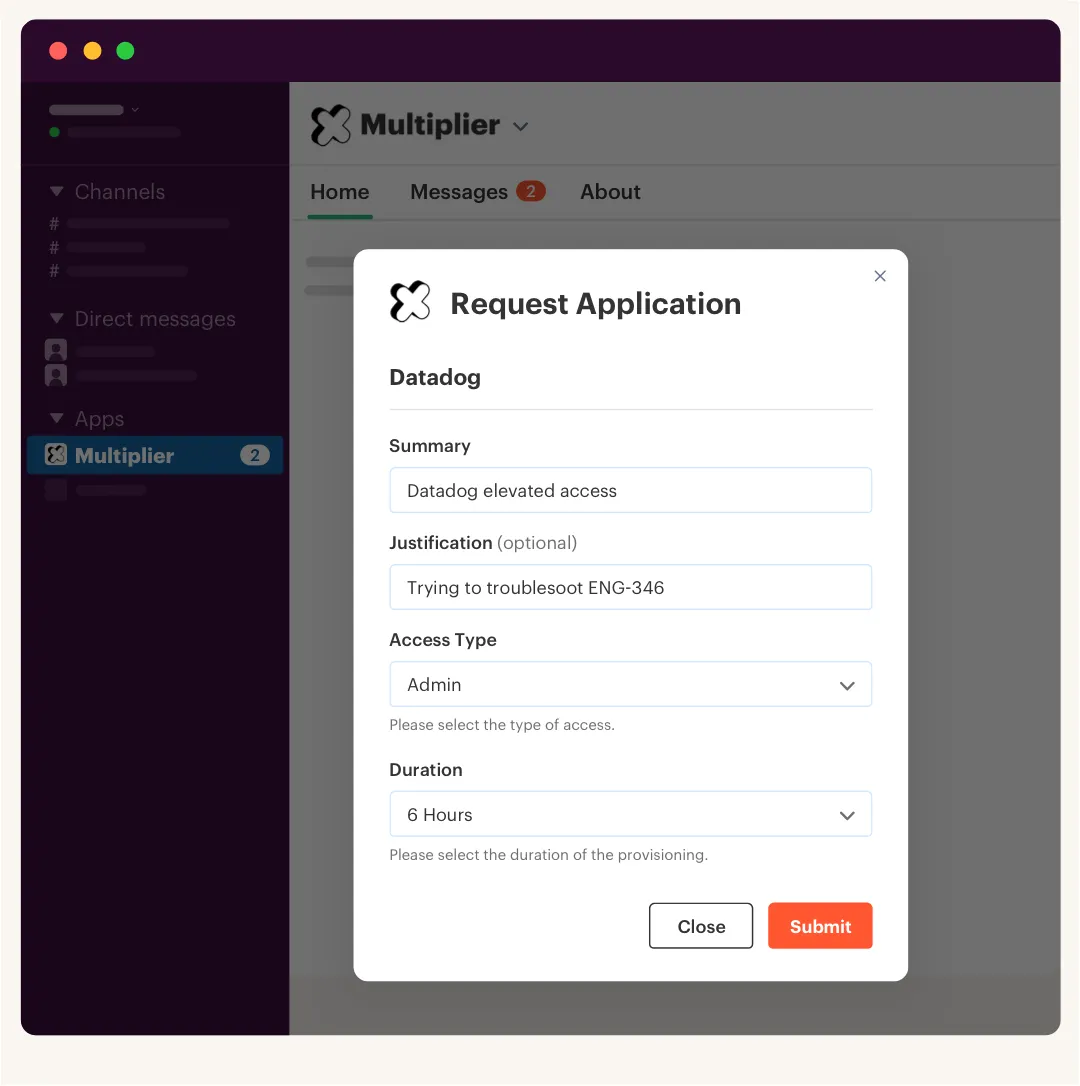
Normalize once, then map roles to IDP groups so downstream provisioning is deterministic. Even for non SSO tools, you still capture approvals and keep the trail clean inside Jira. That alone kills a lot of swivel chair waste.
Provision Through The Identity Provider
Automated Provisioning uses your IDP groups to add or remove users when a ticket hits Approved. No copy paste into admin consoles, no screenshots for proof. Multiplier writes success or failure back to the Jira ticket for audit and troubleshooting, so you can show exactly what changed and when.
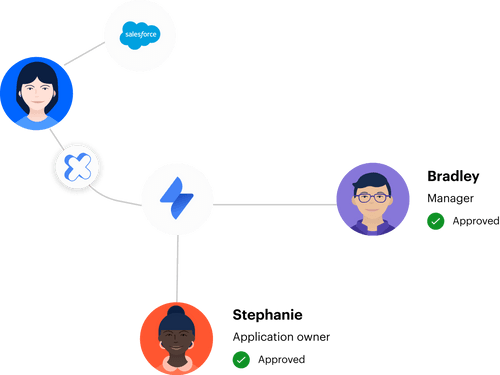
Fast approvals plus authoritative changes cut review cycles from days to minutes. That’s not theory, that’s what customers report when they move to IDP driven provisioning anchored to Jira. Ready to see the flow in action? Learn more about Multiplier
Time-Bound Access And Access Reviews Close The Loop
Time Based Access makes elevated roles temporary by default, then removes them at expiry through the IDP. No human follow up required. Access Reviews run inside Jira, show last login and recommendations, and execute revocations automatically with linked evidence you can export for auditors.
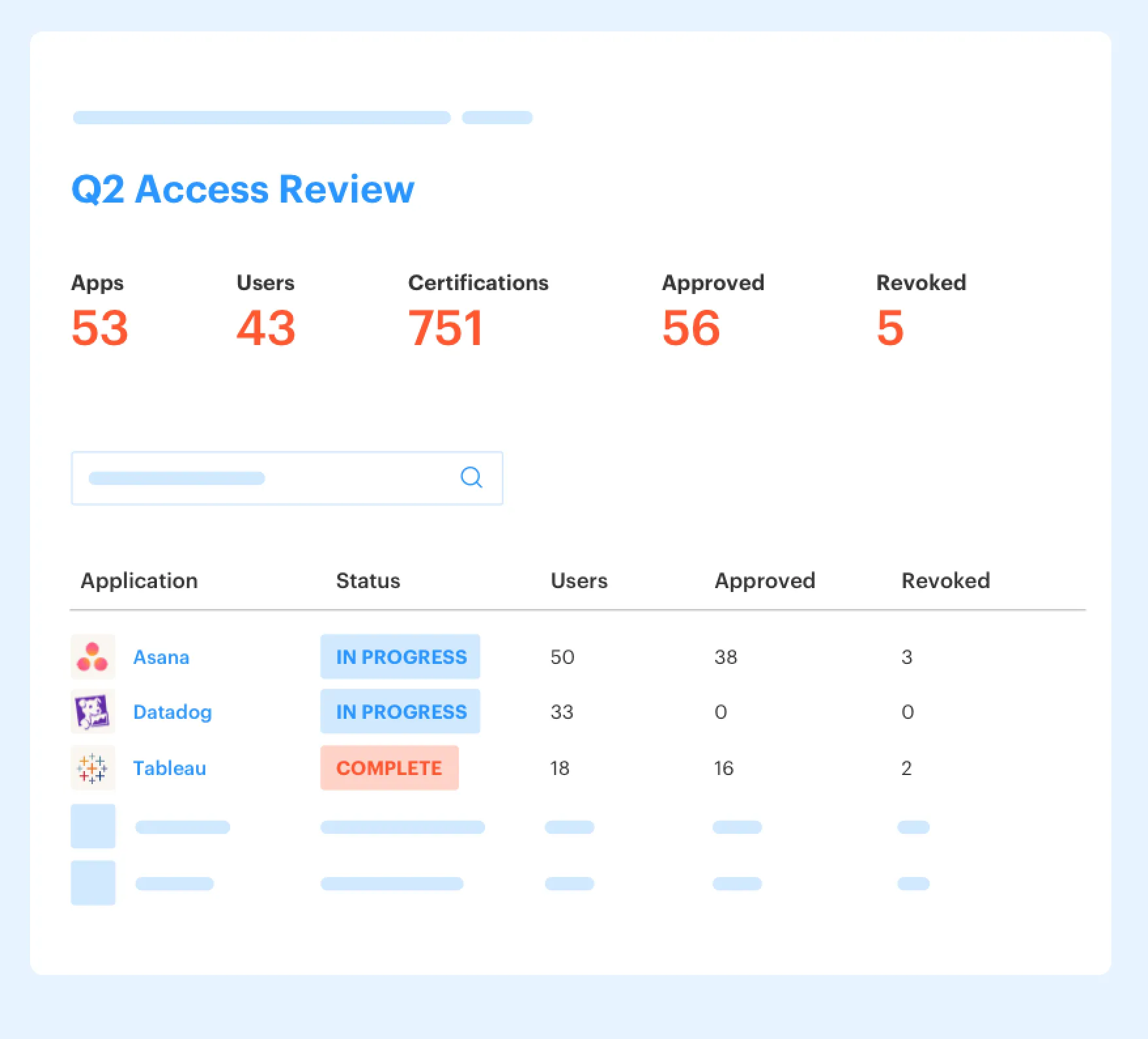
Auto Reclaim pairs with all of this to target unused licenses based on real last login data, then warns and revokes when users stay inactive. Multiplier brings the controls to where work already happens, and the change logs to the ticket that started it. Want to lock in these guardrails without adding another portal? Get started with Multiplier
Conclusion
A reliable entitlement catalog isn’t a report, it’s a living system. Collect from IDP, app APIs, and targeted UI checks. Normalize into plain English. Score risk, clean up in short sprints with guardrails, and re discover on a schedule. Do that, and your audit story writes itself.
If you commit to the program, you’ll see real movement fast. Within 60 days you can stand up a canonical catalog that covers at least 90% of active SaaS users and a prioritized plan to cut high risk entitlements by 40% in the next 30 day sprint. That’s the path to least privilege without the chaos.
Frequently Asked Questions
How do I set up a time-based access request?
To set up a time-based access request with Multiplier, follow these steps: 1) Navigate to the JSM portal or use the Slack app to request access. 2) Select the application and role you need, and then choose the duration for access (like 1, 6, or 24 hours). 3) Submit your request. Once approved, Multiplier automatically provisions access and sets a timer to revoke it when the time expires, ensuring you have temporary access without manual follow-up.
What if I need to revoke access for multiple users?
If you need to revoke access for multiple users, you can create a bulk action in Jira Service Management (JSM) using Multiplier. First, identify the users whose access needs to be revoked. Then, create a Jira ticket that outlines the revocation request. Multiplier will handle the provisioning through your identity provider, ensuring that all changes are logged for audit purposes. This way, you maintain a clean audit trail while efficiently managing access.
Can I automate access reviews with Multiplier?
Yes, you can automate access reviews using Multiplier's Access Review feature. To do this, create a campaign in JSM by selecting the applications to review and assigning reviewers. When the campaign starts, reviewers will receive notifications and can easily mark users for revocation or retention based on last login data and recommendations provided by Multiplier. This streamlines the review process and ensures that all decisions are documented within Jira.
When should I schedule re-discovery of entitlements?
You should schedule re-discovery of entitlements regularly to catch any drift in access. Typically, a monthly cycle is recommended for high-risk applications and production roles, while a quarterly review works for broader app suites. Make sure to document your schedule in your access management program to ensure accountability and consistency. This proactive approach helps maintain a clean entitlement inventory and prepares you for audits.
Why does my entitlement inventory keep getting messy?
Your entitlement inventory may become messy due to fragmented data sources and manual changes that aren't captured in your systems. To combat this, use Multiplier to centralize access requests and approvals within Jira. By syncing applications and groups from your identity provider and automating provisioning, you can reduce human error and maintain a more accurate, up-to-date inventory. Regularly scheduled re-discovery and access reviews also help keep your inventory clean.


